Modern content systems increasingly interpret content before people ever experience it directly. Search engines are still part of that conversation, but now there are AI assistants, automated summaries, recommendation systems, conversational interfaces, and platform algorithms all sitting between creators and audiences. More and more, content is being processed, summarized, and interpreted before anyone clicks a link. That shift is quietly changing what discoverability actually means online.
A lot of creators and content teams still think they’re solving traffic problems, ranking problems, or consistency problems. Sometimes they are. But now more than ever, what they’re really navigating are more interpretation problems. The systems surrounding content are changing faster than the publishing habits most people built their businesses around, and many of these shifts still look deceptively familiar on the surface. That’s why so many creators continue optimizing for behaviors the internet itself is slowly moving away from.
Meet Maya
Maya lives in Phoenix, Arizona, where most mornings begin with coffee, analytics dashboards, and a growing number of browser tabs she swears she’ll close eventually. Five years ago, she started Casita Table, a food blog documenting weeknight recipes inspired by her Puerto Rican grandmother and the practical reality of cooking for two after long workdays. At the time, she was still working full-time in healthcare administration, testing recipes at night in a small apartment kitchen while trying to learn WordPress, Pinterest, and food photography all at once. What started as a creative outlet slowly grew into something much bigger.
Today, Casita Table is Maya’s full-time business. Her income now comes from a mix of display ads, affiliate links, sponsored partnerships, newsletters, and digital products tied to meal planning and pantry cooking. On the surface, the business looks stable. Her recipes still rank well, traffic is still coming in, and brands continue reaching out for partnerships. But despite all of that, Maya still feels like she’s managing an entire publishing operation instead of simply running a blog.
Most of Maya’s workday no longer revolves around cooking. It revolves around maintenance. Updating old posts. Rewriting metadata. Troubleshooting Pinterest performance. Reviewing analytics. Formatting newsletters. Repurposing recipes for Instagram and short-form video. Managing plugins. Responding to algorithm changes. Keeping older content discoverable while trying to publish new recipes fast enough to stay visible online.
A few years ago, Maya became almost obsessive about FAQ sections because every food blogging conference, SEO webinar, and optimization guide seemed to repeat the same advice. Add FAQ schema. Answer common questions. Increase your chances of appearing in rich results. She spent hours researching what readers might ask, rewriting questions to match search behavior, and formatting every recipe carefully enough for Google to interpret clearly. Some nights, the FAQ section took longer to write than the recipe introduction itself because it felt directly connected to visibility and traffic.
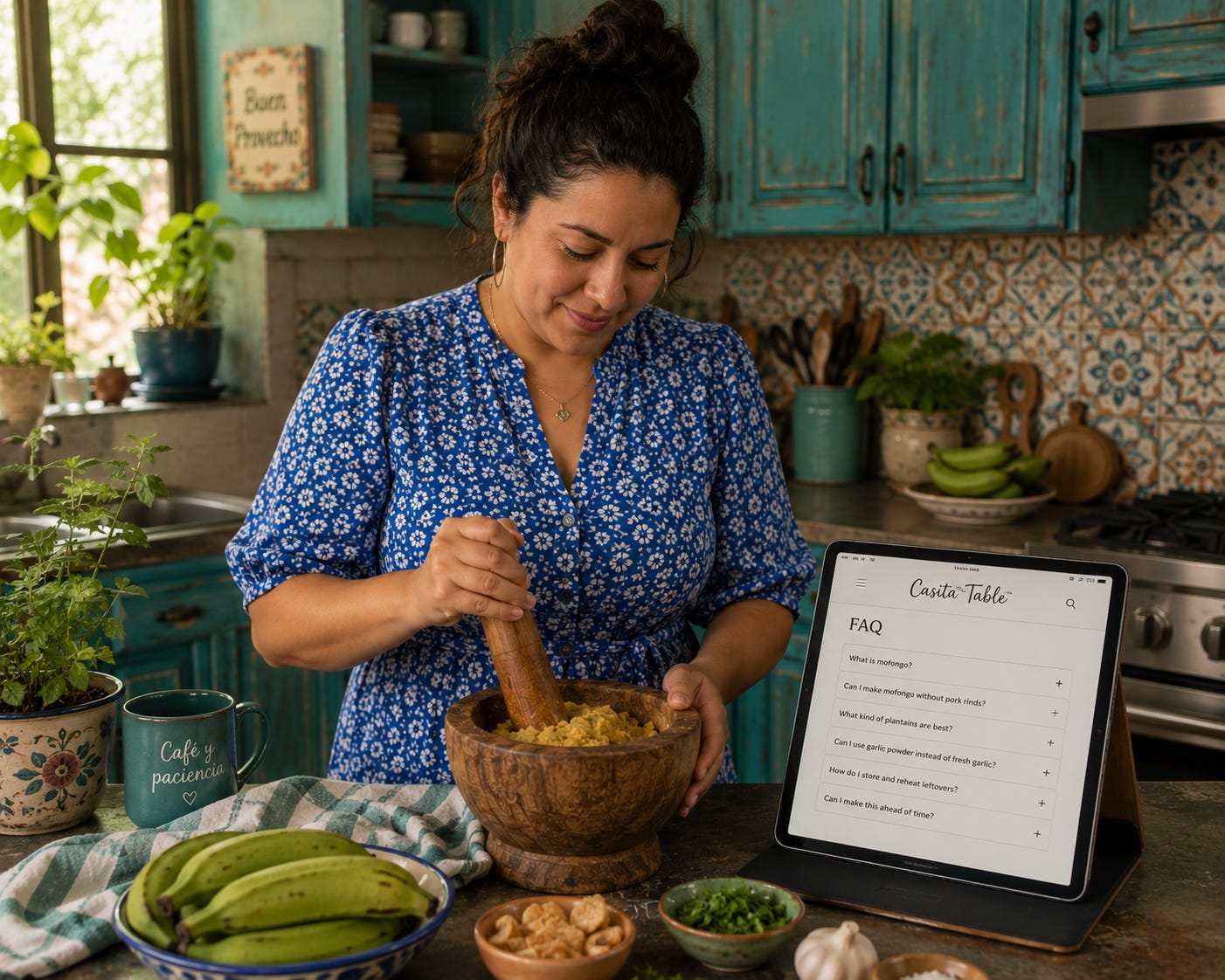
At the time, the effort felt worth it. FAQ rich results made recipes stand out in search, and structured answers felt like a competitive advantage in an increasingly crowded publishing environment. Maya genuinely believed she was building discoverability into her content one question at a time. But lately, the traffic patterns have shifted, AI-generated summaries increasingly answer questions before users click, and many of the carefully structured FAQs she spent years optimizing no longer seem to create the same impact they once did.
By 11:48 PM on a Tuesday night, Maya wasn’t asking whether FAQ sections still helped readers. She was wondering whether search itself still worked the way her business was built around. These days, fewer people seem to click. They ask questions, but machines answer first. The internet doesn’t search like it used to, and I think creators like Maya are starting to feel that emotionally long before they can fully explain it strategically.
The shift from search to answers
I recently came across an article from Content Science titled What Is Answer Engine Optimization (AEO)? The article defines AEO as the practice of structuring and optimizing content so AI-driven systems can extract, summarize, and deliver it directly in response to user questions.
For nearly two decades, creators built content around search behavior. That’s twenty years. Let that sink in. People searched, search engines ranked pages, and websites competed for clicks. Entire publishing systems evolved around that environment through keywords, metadata, search intent, backlinks, featured snippets, FAQ sections, and evergreen optimization. Creators learned how to structure content for search engines because visibility depended on it. But answer engines change the relationship between questions, answers, and websites themselves because increasingly people are not searching for pages. They are searching for answers, and increasingly, AI systems are delivering those answers directly.
The goal used to be “How do I rank?” but now the question that is showing up more is, “How do I become interpretable?” That is a very different kind of publishing environment, and I think we are still underestimating how much this changes the internet. The shift is not only technical, but it’s also operational, behavioral, and structural all at once.
Why FAQ sections suddenly feel different
Google itself has already started quietly signaling parts of this transition. Its updated FAQ structured data guidance now limits FAQ rich results primarily to authoritative government and health websites instead of broadly supporting FAQ-rich experiences across general publishing sites. For years, creators treated FAQ schema almost like a required SEO ingredient because it visibly improved search experiences. Now the incentives are changing, not because structure stopped mattering, but because the systems interpreting content are changing.
This is where conversations about AEO sometimes become too basic. The narrative quickly turns into “SEO is dead,” “websites are dead,” or “optimize for AI,” but I don’t think that’s what’s actually happening. What’s happening feels more operational than apocalyptic because the internet is shifting from retrieval to interpretation. Search engines were designed to retrieve pages, while answer engines are designed to synthesize information. That distinction changes the role content plays online because content no longer competes only to be found. It competes to be understood.
That’s why structure suddenly matters now for machine readability, semantic clarity, contextual understanding, authority, trust, citation, and answerability. Not sure if that last one is a word, but we are gonna roll with it.
The irony is that creators spent years learning how to structure content for search engines only to arrive at a moment where machines may not need users to click the page at all. Instead, machines are starting to extract, summarize, and reinterpret information before audiences ever interact with the original source directly.
Authority is becoming distributed
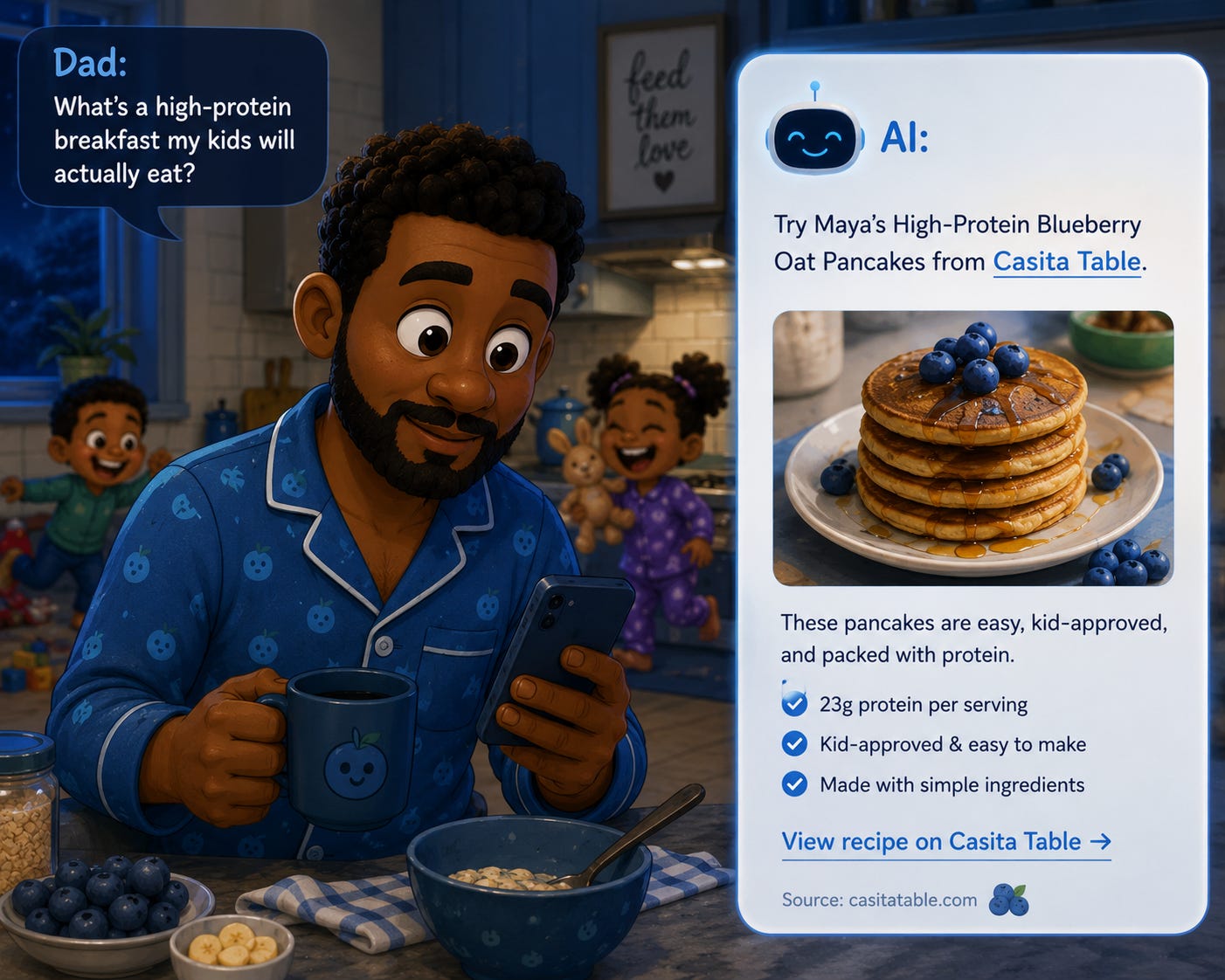
Authority is now coming from ecosystems instead of isolated websites. It’s not just about what you publish yourself, but who references you, where your expertise appears, whether communities trust you, and whether your ideas consistently show up across platforms. That feels incredibly important because AI systems do not just interpret webpages anymore. They interpret patterns.
YouTube videos, Reddit discussions, LinkedIn posts, podcasts, forums, and community conversations are shaping how information gets interpreted online. Visibility is becoming distributed across ecosystems instead of concentrated in single destinations. I think creators already feel this shift emotionally because one piece of content now has to perform in search, adapt for social platforms, support newsletters, survive algorithm changes, appear in AI summaries, and move across multiple formats at once. Modern content stopped existing in just one place or moving in one direction.
This also connects directly to something I wrote about recently in Content Work Was Never Designed for the Internet We Have Now. Most content workflows were built for a simpler publishing environment with one website, one destination, and one primary discovery channel. That’s not the reality creators operate in because content now moves across fragmented systems, AI interfaces, recommendation engines, feeds, summaries, search experiences, and platform ecosystems at the same time. The systems surrounding content keep getting more complicated, and structure is increasingly the thing helping content move clearly across all of them.
The end of the chase
Maya didn’t completely remove her FAQ sections overnight, but she stopped treating them like the center of her visibility strategy. What changed first was her mindset. She focused less on adding separate FAQ blocks and more on improving clarity throughout the entire recipe itself. Instructions became more structured. Ingredient notes became more specific. Substitutions, storage guidance, and cooking context became easier to scan naturally within the recipe instead of being buried at the bottom purely for search optimization.
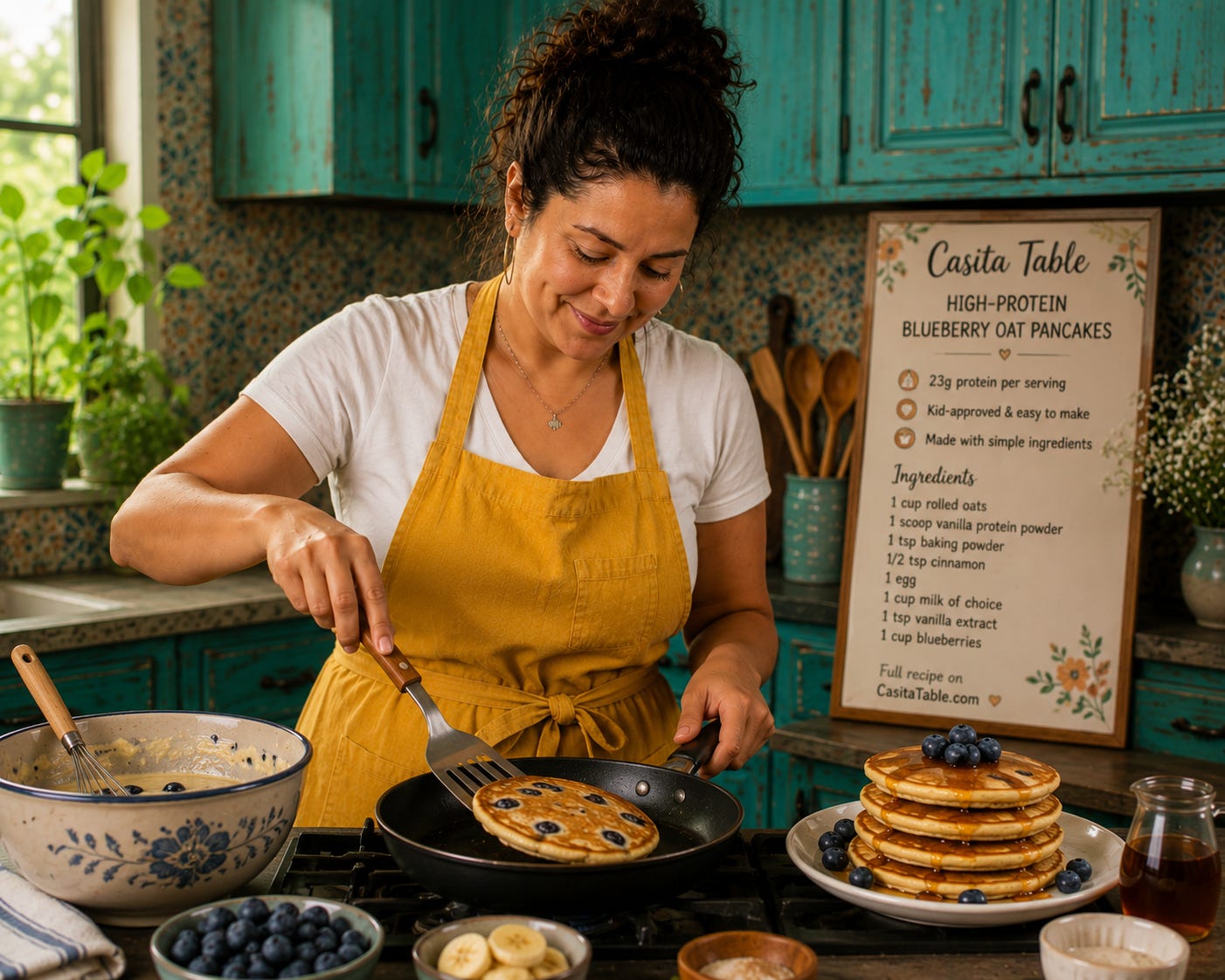
She also stopped depending so heavily on Google as the center of her discoverability strategy. Instead of creating content only for search rankings, Maya started building stronger connections between her newsletter, Instagram, Pinterest, short-form video, and community conversations. A question someone asked in her newsletter might become a future recipe update. A comment from Instagram could turn into a short-form cooking tip. Instead of optimizing isolated blog posts, she started thinking more intentionally about how knowledge moved across her entire content ecosystem.
Before, every algorithm update felt personal because her visibility depended so heavily on one platform continuing to behave predictably. Once she stopped treating FAQ tactics as the foundation of her business, the pressure started easing. Her content became less about chasing search features and more about building a clearer, more adaptable publishing system underneath the work itself. Ironically, that structure ended up making her content stronger for both readers and machines anyway.
Maya still pays attention to SEO because search still matters. But now she sees structure differently. It’s the thing helping her recipes stay understandable, reusable, and discoverable as the internet keeps changing around them.
The future may belong to interpretable content
Maybe FAQ sections were never really about FAQs. Maybe they were one of the earliest signs that creators were already learning how to structure information for machine interpretation long before most people realized that was happening. The systems doing the interpreting are evolving again, and honestly, I think we are entering an era where content strategy starts looking a lot more like knowledge design than traditional publishing.

This shift changes how creators think about authority, visibility, and even the purpose of content itself. Content increasingly needs to move clearly between humans, systems, and platforms without losing meaning along the way. The creators and organizations that adapt best probably will not be the ones producing the most content. They will be the ones building the clearest, most structured, most trustworthy, and most interpretable systems around their knowledge.
Maybe the FAQ section is not disappearing at all. Maybe it is evolving into proof that modern content now needs to communicate with both humans and machines at the same time. That’s a very different publishing environment than the one most creators originally learned to work within, and I think we are still early. We’re only just starting to see where this goes. Which means creators still have time to build more resilient systems before the next version of the internet fully settles into place.
Until next time…
See you next Friday.