
MCPs just hit the creator economy and I'm loving it
As AI and creator tools become more connected, content isn't just being published anymore, it's moving through ecosystems.
MCPs are having a moment.
In the AI world, the MCP has become one of the trending terms this year. Some people have even started calling it the “USB-C for AI” because it creates a standardized way for AI systems to connect to tools, services, and data sources. As AI agents become more capable, companies are focused on how those systems interact with the outside world, and how to govern, monitor, and secure those interactions.
None of that is particularly surprising to me.
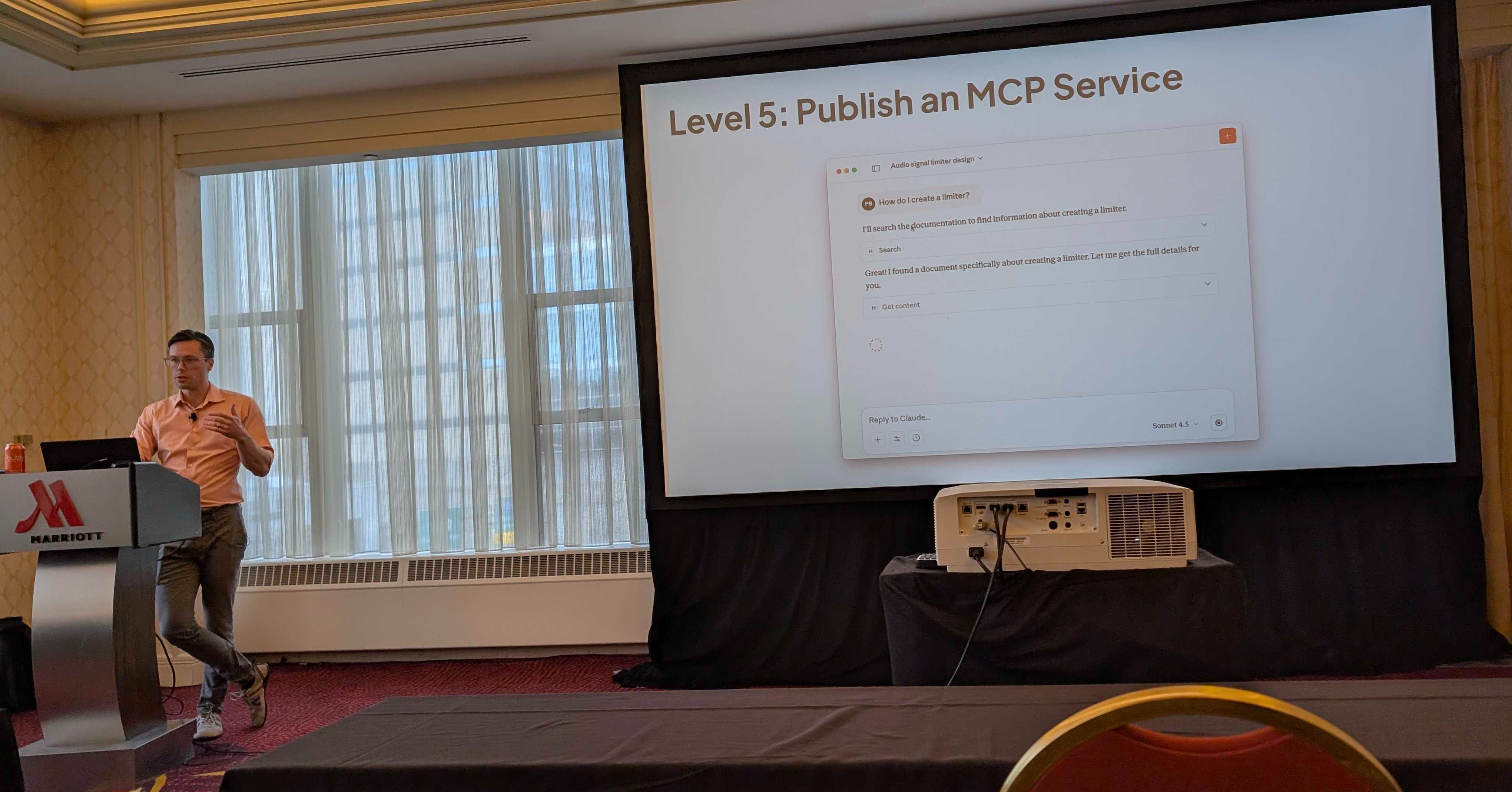
I’ve been hearing about MCPs for the better part of a year. If you’ve spent any time around content intelligence, content engineering, or AI conferences lately, you’ve probably heard the term too. It seems like every event I’ve attended has included at least one conversation about MCPs, agentic systems, APIs, or the future of AI-powered workflows.
But until recently, it still felt like something happening somewhere else. The conversations were largely happening among developers, AI researchers, enterprise software companies, and technology leaders trying to prepare for what comes next.
Then Kit announced MCP support, and I thought that was pretty cool.
Suddenly, a concept that had been living in the conference rooms, webinars, white papers, and technical presentations showed up inside a tool many creators already use every day. Whenever that happens, I pay attention.
(This is not a sponsored issue, btw. But I just started using Kit and thought this was really cool, so here we are.)
When technical concepts start appearing inside creator tools, they’re usually signaling a larger shift.
What’s an MCP?
Think of a Model Context Protocol (MCP) as a universal connector for AI.
It gives AI systems a standardized way to interact with tools, information, and services, similar to how USB-C gives devices a standardized way to connect.
Publishing keeps changing
For most of human history, publishing was relatively simple. You created something and shared it with people. A poem became a book. A recipe became a recipe card. A newsletter became an email. The content had one destination and one audience.
The internet changed that.
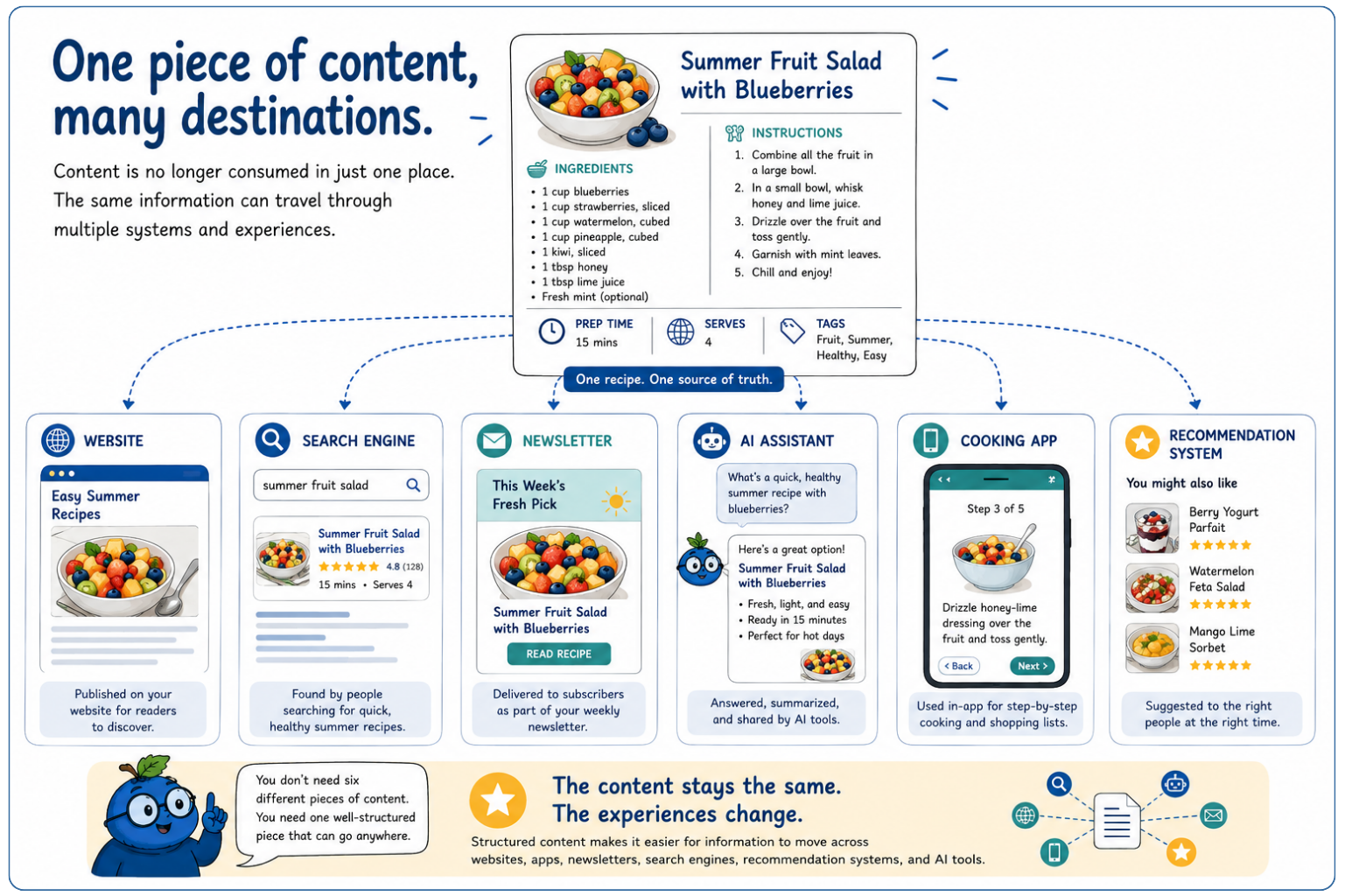
Today, a single piece of content might appear on a website, inside a newsletter, in search results, on social media, inside recommendation engines, and inside AI systems. The content itself hasn’t become more complicated. The ecosystem around it has. MCPs hint at a future where content, creator tools, audience data, and AI systems work together in ways that weren’t previously possible.
The future is coming fast, so what should creators do about it?
☀️ Summer Annual Offer: Save 20% on an annual subscription through August 21. Join for $64/year (regularly $80/year).
Meet Jill
Jill lives in Walla Walla, Washington.
Every Tuesday morning, she sends a newsletter with short haiku-style poems about seasons, ordinary routines, small joys, and the quiet beauty of paying attention. Her audience is not massive, but it’s loyal. Readers open her emails with coffee, forward their favorite poems to friends, and sometimes reply with a memory her words brought back.

Since she started writing, Jill thought of her newsletter as the destination. She wrote the poem, added a short reflection, hit publish, and moved on to the next Tuesday. Then her archive started growing.
A reader asked if she had a poem about grief. Another wanted all her winter poems. A local bookstore asked if she could send a selection for a seasonal display. A writing group wanted to feature her poems by theme.
Suddenly, Jill’s poems were not just weekly emails; they were a body of work. And a body of work needs structure if it’s going to keep working beyond the moment it was first published.
Creators aren’t just thinking about publishing
Jill doesn’t need an MCP today. Most creators don’t. But creators should pay attention to what these tools may eventually unlock.
Today, Jill’s work lives across multiple systems. She writes poems in documents, designs graphics using design software, publishes through an email platform, manages subscribers, tracks analytics, and stores years of work in an archive. Each tool serves a purpose, but they largely operate as separate islands.
Imagine a future where those systems work together more intelligently.
Instead of manually digging through old issues, Jill could ask an AI assistant to identify her most popular spring poems and create a draft reading guide. She could ask it to find subscribers who frequently engage with nature-themed poems and draft a personalized email campaign. She could generate a Canva carousel highlighting her most-shared work from the last six months or create a curated collection of poems that could become a future ebook.
The content stays, but what changes is the ability to work with the content, audience data, and business systems surrounding those poems.
MCPs point toward a future where AI tools can interact more directly with the systems creators already use every day. And that’s where structured content becomes even more valuable.
If Jill’s archive is simply hundreds of newsletter issues, an AI system has to figure everything out on its own. But if her content is organized by themes, seasons, publication dates, collections, and topics, the system has something meaningful to work with.
Structured content organizes information. APIs connect systems. MCPs help AI work across connected systems. Together, they create new possibilities for creators.
Why should creators care?
Most creators don’t need to understand every technical detail behind MCPs. They do need to understand the direction things are moving.
A growing number of people are discovering information through AI systems. Recent research suggests younger consumers use AI tools to research products, find recommendations, and answer questions. In some cases, AI is becoming a discovery layer that sits between creators and audiences.
That changes the game. If systems are interpreting your content before it reaches people, then the way information is organized starts to matter more.
Not less.
The future actually belongs to creators whose content can travel the farthest while retaining its meaning.
What does this have to do with structured content?
Actually, quite a lot.
Last week I wrote that structure existed long before the internet. Recipes, libraries, maps, and grocery stores all rely on structure because structure helps people find and use information.
The same principle applies here.
Before an AI system can help someone find information, it first has to understand what that information represents. Before multiple systems can work together, they need a shared understanding of the content they’re exchanging. That’s why structured content matters. The better information is organized, the easier it becomes to retrieve, connect, personalize, recommend, and reuse.
What’s an API?
Think of an API as a messenger between software systems. It allows one application to request information or services from another application without needing direct access to how it works behind the scenes.
Example: When you upload a photo from Google Drive to Canva, save a design to Dropbox, pull in stock photos, or share a design on social media, APIs often work behind the scenes. They allow Canva and those services to exchange information without you manually moving files back and forth.
Most creators never see the API. They just experience the convenience it makes possible.
A publishing maturity model
At a recent conference, I heard someone describe publishing as a progression.
First, we handed someone a file. Then we published a website. Then we created semantic websites that helped machines understand meaning. Then we published APIs that allowed systems to retrieve information directly. Now we’re beginning to see MCP services emerge.
The technical details are different at each level, but the patterns are the same. Every step increases the ability for information to move between systems.
Every step expands what becomes possible.

Good AI starts with good content
“Good AI”. Is there such a thing? But stay with me on this one. One note I wrote during that conference was:
“Is my job to provide accurate content, or is my job to help systems generate accurate answers?”
For years, content professionals and creators focused on making accurate content available to people. Now we also have to think about how systems retrieve, interpret, and reuse that content. The answer someone receives from AI may depend less on one perfect webpage and more on how well the underlying information is structured, maintained, and connected.
This is where the conversation gets real. AI does not make your content strategy disappear. It exposes the quality of the content system you already have.
If the content is outdated, scattered, inconsistent, or poorly labeled, AI does not magically fix that. It may simply make the mess more visible.
Rude, but efficient.
Who’s down with MCP?
I don’t think MCPs are the story. I think they’re evidence of the story.
For decades, publishing meant putting information somewhere people could find it. Now, publishing means making information available to ecosystems. Websites were one step. Structured content was another. Metadata was another. APIs were another.
MCPs may just be the next layer. The most interesting thing about MCPs is the protocol itself and what it reveals. We’re moving toward a future where systems (or apps) are working together.
And the content that succeeds in that future may be the content that’s easiest to understand, connect, retrieve, and reuse.
Prepare for a future of ecosystems.
Coming next on the Blueberri Podcast
In this issue, I focused on what MCPs are and why they’ve suddenly started showing up in creator tools. In the next episode of the Blueberri Podcast, I’m going deeper.
I’ll talk about specific MCP implementations and what they reveal about the future of creator platforms.
I’ll explore specific MCP implementations, what they reveal about the future of creator platforms, and why I believe the biggest opportunity isn’t the technology itself. It’s what happens when content, audience data, and creator tools start working together.

One thing to think about this week
The next time you use a website, an app, an AI assistant, or a creator platform, pay attention to how many systems are working together behind the scenes.
See you next Friday.
— Sandie


